

Crown Thinning That Reduces Wind Load During Storms
Tree pruning in West Milford for storm damage prevention, deadwood removal, and clearance from roofs and utilities
North Jersey's storm-prone climate drives wind through dense tree canopies, and thick crowns with crossing branches and deadwood act as sails that catch wind force and transfer load to the trunk and root system. Bloom Tree Care LLC prunes and trims trees across West Milford using certified arborist techniques that thin crowns, remove dead limbs, and shape canopies to reduce the risk of branch failure during high winds. Proactive storm-prep pruning removes the weak points in a tree's structure before weather events turn them into projectiles or causes of property damage.
Crown thinning involves selectively removing interior branches to allow wind to pass through the canopy rather than pushing against a solid wall of foliage, which reduces the force transferred to the trunk. Deadwood removal eliminates brittle branches that snap under load, and canopy shaping corrects imbalanced growth that creates uneven weight distribution. The crew will clear branches from roofs and utility lines to prevent abrasion damage and contact during sway.
Request a detailed pruning assessment to identify deadwood, crossing branches, and clearance concerns specific to your trees.
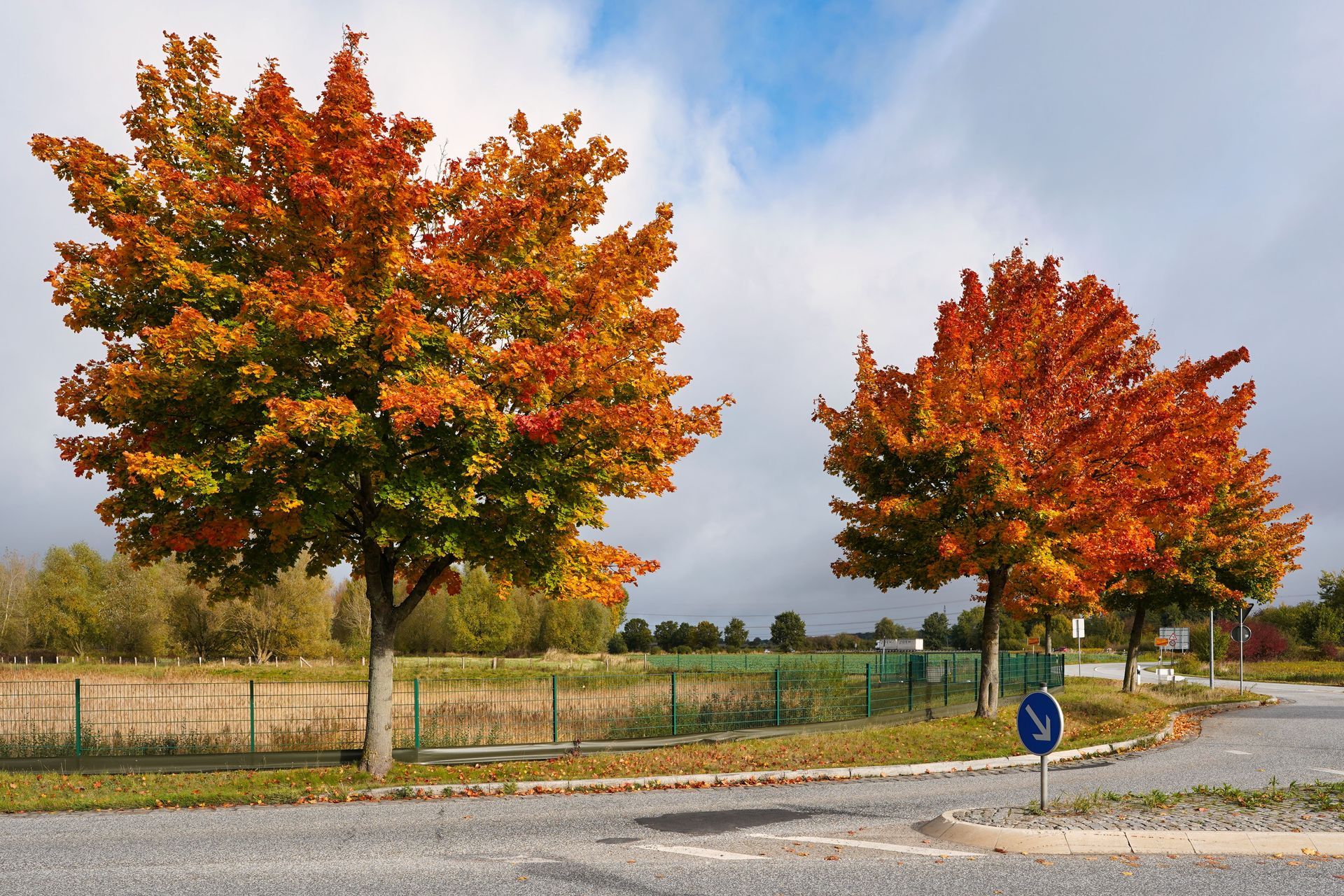
How Regular Pruning Addresses Storm Damage Risk
Residential pruning focuses on structural health and hazard reduction, not just appearance. Certified arborist cuts are made at the branch collar—the swollen area where the branch meets the trunk—to promote proper wound closure and prevent decay from entering the tree. Deadwood is removed throughout the canopy, and crossing branches are thinned to eliminate friction points that create weak unions prone to splitting under load.
After pruning is complete, the canopy allows more light penetration to lower branches and the ground below, wind moves through the tree with less resistance, and branches no longer scrape against roof shingles or rub utility lines during normal sway. The tree's overall structure becomes more balanced, with weight distributed evenly across the scaffold branches rather than concentrated in dense pockets of growth.
Pruning improves tree structure and reduces immediate hazards but does not address root health, soil compaction, or disease issues that require separate treatment. Trees in decline may need additional evaluation to determine whether pruning is appropriate or whether removal is the safer long-term option.
Answers to Frequent Service Questions
Homeowners scheduling pruning work typically want to understand timing, process, and what results to expect from the service.
When is the best time to prune trees in West Milford?
Late winter before spring growth begins is ideal for most species because wounds close faster once sap flow resumes, though hazard pruning and deadwood removal can happen year-round when safety concerns exist.
How much of the canopy can be safely removed at once?
Certified arborists typically remove no more than 25 percent of the live canopy in a single session to avoid stressing the tree, though deadwood and hazard branches are removed regardless of total volume.
What tools are used for detailed pruning work?
Hand saws and pole pruners allow precise cuts on smaller branches, while chainsaws handle larger limbs; climbing or aerial lift access is used when working above roof height or in dense canopies.
Why does pruning cost vary between trees?
Pruning costs depend on tree height, canopy density, access difficulty, and proximity to structures or power lines—a tree overhanging a roof requires more rigging and controlled cuts than one in open yard space.
What happens to the branches after pruning?
All cut branches are chipped or hauled from the property unless you request log sections for firewood or mulch material for landscaping use.
Bloom Tree Care LLC provides proactive pruning services that reduce storm damage risk and maintain tree health across residential properties in West Milford. Schedule a canopy evaluation to review structural concerns, clearance issues, and pruning cycles appropriate for the species and site conditions on your property.