

Preserving Natural Form on High-Value Specimen Trees
Ornamental tree pruning in West Milford for landscape specimens requiring selective cuts and architectural preservation
Precision cuts on ornamental trees require an understanding of species-specific branching architecture because improper pruning destroys the natural form that makes these trees valuable landscape features. Bloom Tree Care LLC shapes and maintains ornamental and specimen trees across West Milford residential communities, where mature ornamentals anchor front yards and serve as focal points in landscape design. Hand tools and climbing access allow detailed work on high-value specimens without the aggressive cuts used in hazard pruning, preserving the branching structure while managing growth and maintaining health.
Selective pruning removes crossing branches, water sprouts, and deadwood without altering the tree's overall silhouette or removing so much foliage that the canopy looks sparse. Cuts are made just outside the branch collar to promote proper wound closure, and thinning is distributed throughout the canopy to maintain balanced growth rather than concentrating cuts in one area. The goal is to refine the tree's appearance and remove defects while keeping the branching architecture intact.
Schedule a detailed consultation to review pruning objectives, species-specific growth patterns, and timing appropriate for your ornamental trees.
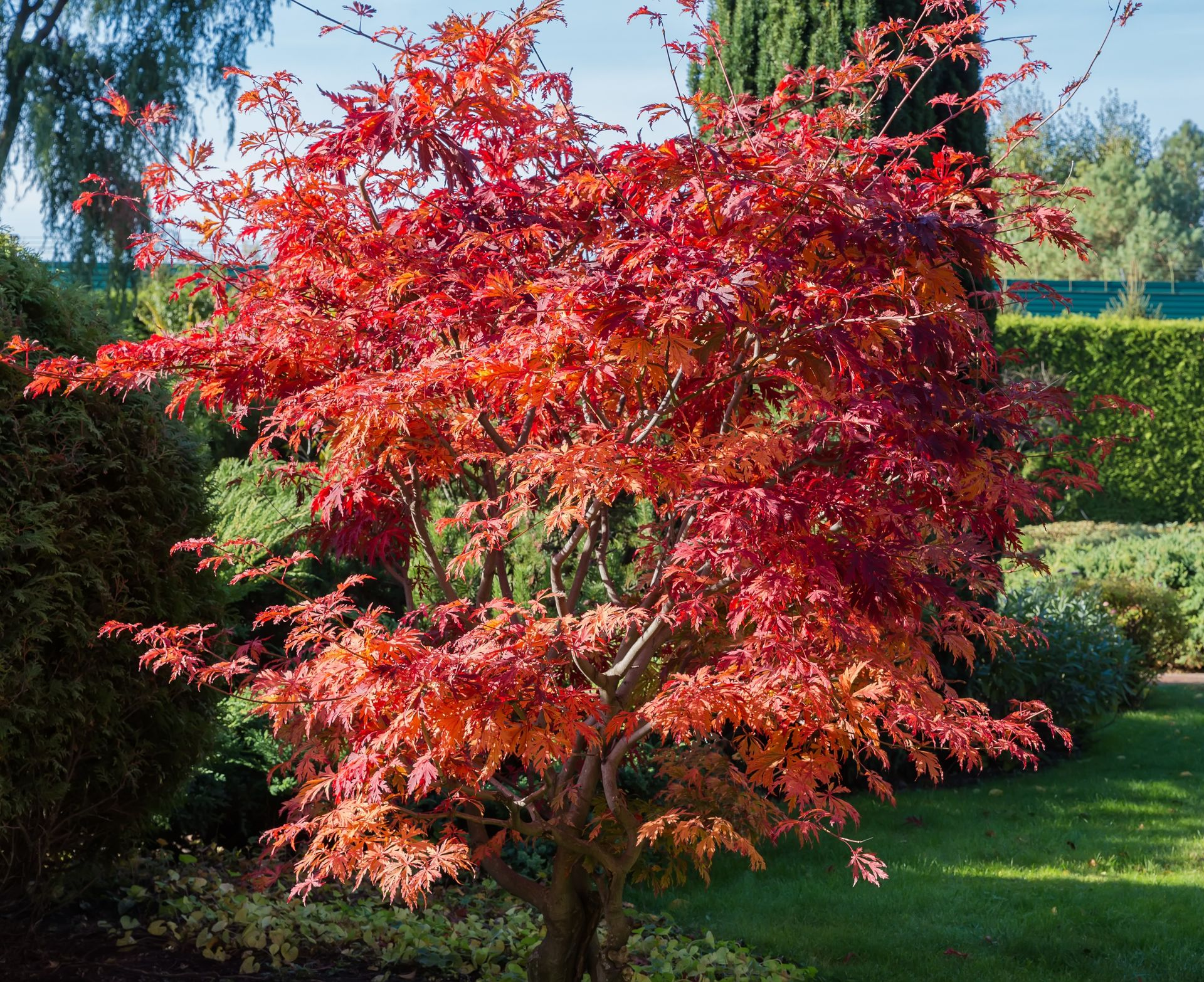
What You Notice Once Selective Pruning Is Finished
Ornamental pruning is about subtlety—the tree should look refined but not obviously cut. Bloom Tree Care LLC focuses on enhancing natural form rather than imposing artificial shapes, which means the finished canopy retains its species-typical silhouette while showing improved light distribution, cleaner branching structure, and removal of distracting defects like suckers or crossed limbs that draw the eye away from the tree's overall form.
After pruning, the canopy appears lighter and more open without looking thinned out, individual scaffold branches are more visible and well-spaced, and the tree's natural branching pattern becomes the dominant visual feature rather than being obscured by dense interior growth. Flowering and fruiting species often respond with improved bloom or fruit production the following season because energy is redirected to fewer, healthier branches.
Ornamental pruning maintains form and health but does not address soil health, pest issues, or root zone compaction that affect long-term vitality. Some ornamentals require annual or biennial pruning to maintain their structure, while others need intervention only when specific defects develop or clearance becomes necessary.
Questions Before Starting Your Project
Homeowners with ornamental trees often want guidance on timing, technique, and how pruning affects appearance and health over time.
What makes ornamental pruning different from standard tree trimming?
Ornamental pruning prioritizes preserving natural branching architecture and species-specific form, using hand tools and selective cuts rather than aggressive thinning or topping that would ruin the tree's appearance.
When should ornamental trees be pruned in West Milford?
Timing varies by species—spring-blooming trees are pruned immediately after flowers fade to avoid removing next year's buds, while summer-blooming and non-flowering ornamentals are typically pruned in late winter before growth resumes.
How often do ornamental trees need pruning?
Maintenance intervals depend on growth rate and pruning objectives; fast-growing species may need annual attention to control size, while slow-growing specimens require pruning only every few years to remove defects or manage clearance.
Why does ornamental pruning cost more than hazard pruning?
Ornamental work requires more time per cut because each branch is evaluated for its contribution to overall form, and hand tools are used for precision rather than speed, especially on high-value trees where mistakes are costly.
Can fruit trees be pruned for both appearance and production?
Fruit tree pruning balances aesthetics with fruiting wood management—cuts are selected to open the canopy for sunlight penetration while preserving spurs and branches that produce the following season's crop.
Bloom Tree Care LLC specializes in ornamental tree care that enhances landscape value while maintaining long-term tree health across residential properties in West Milford. Request a pruning plan tailored to the species, maturity, and landscape role of your ornamental trees.