

Rapid Response Prevents Property Damage Escalation
Emergency storm cleanup in West Milford for fallen limbs, uprooted trees, and hazard assessment after severe weather
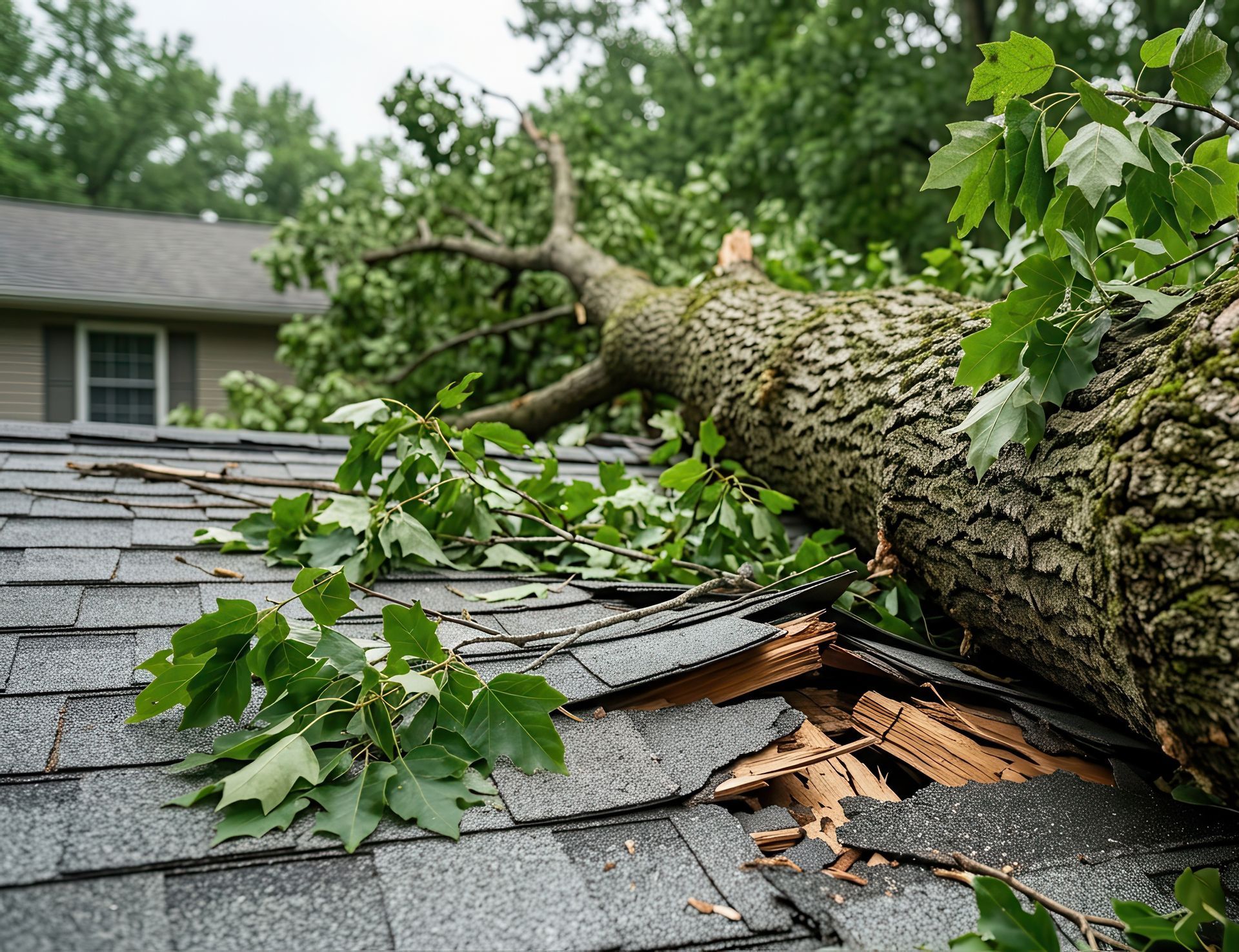
Branch failure and uprooting during North Jersey storms create immediate hazards—limbs resting on roofs puncture shingles under their own weight, trees leaning against structures shift during wind gusts, and debris blocks driveways and access routes until it's removed. Bloom Tree Care LLC responds to storm damage with same-day or next-day dispatch across West Milford, where widespread branch failure after severe weather events requires rapid assessment and debris removal to prevent secondary damage as compromised trees continue to settle or additional weather moves through the area. Safe rigging techniques and debris staging allow the crew to remove fallen material without causing further harm to structures, landscaping, or remaining trees.
Emergency cleanup begins with hazard tree assessment to identify which trees are stable enough to remain temporarily and which require immediate removal due to root failure, trunk splitting, or structural compromise. Fallen limbs and sections are rigged and removed from roofs, vehicles, and walkways, and debris is staged for haul-away once access routes are cleared and critical hazards are mitigated.
Contact the team immediately after storm damage to schedule rapid assessment and debris removal before additional weather creates further complications.
The Difference Between Cleanup and Full Removal
Emergency storm cleanup focuses on mitigating immediate hazards and clearing debris to restore property access and prevent ongoing damage, but it may not include complete tree removal or stump grinding if the scope is limited to stabilizing the situation. The crew will remove fallen branches, cut away sections resting on structures, and assess remaining trees for stability, prioritizing safety over finished landscaping.
Once cleanup is complete, your property is free of immediate hazards—no more limbs threatening to fall from damaged trees, no debris blocking driveways or covering lawn areas, and no trees actively leaning into structures or utility lines. Remaining stumps and root plates may still be present if full removal wasn't part of the emergency scope, and those can be addressed in a follow-up visit once the urgent work is finished.
Cleanup removes visible debris and mitigates active hazards but does not always include fine grading, landscape restoration, or removal of every small branch scattered across the property. Follow-up work may be necessary to address trees that were stabilized temporarily but still require full removal, and insurance documentation often requires photos and detailed notes taken during the initial emergency response.
What Homeowners Need to Know After a Storm
Storm damage raises immediate questions about safety, timing, and what steps to take before the professional crew arrives on-site.
What should I do if a tree falls on my house during a storm?
Stay clear of the damaged area, document the damage with photos for insurance purposes, and contact an emergency tree service to assess structural risk and remove the tree safely without causing additional harm.
How quickly can the crew respond after severe weather in West Milford?
Same-day or next-day dispatch is typical for emergency calls, though response times depend on storm severity and the volume of damage across the service area—widespread outages and road closures can delay access.
What counts as an emergency versus routine storm cleanup?
Emergencies include trees on structures, limbs contacting power lines, blocked access routes, or trees with active lean that threaten imminent failure; routine cleanup addresses scattered branches and minor deadwood that doesn't pose immediate risk.
Why do some damaged trees need removal while others can be pruned?
Trees with more than 50 percent canopy loss, split trunks, or uprooted root plates are typically removed because they lack the structural integrity to recover, while trees with isolated branch failure can often be pruned and monitored.
What happens if the tree is touching a power line?
Do not approach trees in contact with live wires—report the situation to your utility company immediately and wait for them to de-energize the line before tree crews begin work.
Bloom Tree Care LLC provides rapid emergency response for storm damage across West Milford and surrounding North Jersey communities. Call for immediate hazard assessment, debris removal, and stabilization work after severe weather events compromise trees on your property.