

Below-Grade Grinding That Reclaims Usable Yard Space
Stump grinding in West Milford for removing tree remnants, eliminating regrowth, and restoring landscaping areas
Stumps left after tree removal occupy valuable yard space and send up sucker shoots that require repeated cutting, turning what should be finished work into ongoing maintenance. Bloom Tree Care LLC grinds stumps six to twelve inches below ground level across West Milford, reducing the remaining wood and root structure to chips that decompose naturally without interfering with replanting, lawn installation, or hardscape construction. Compact residential lots benefit from below-grade grinding because it restores usable landscaping area without leaving mounds or depressions that complicate mowing and drainage.
The stump grinder uses a rotating cutting wheel with carbide teeth to pulverize wood below the surface, working outward from the center of the stump to include the root flare and major lateral roots within the grinding zone. Chips are cleared from the site or hauled depending on project scope, and the resulting depression is backfilled with remaining material or topsoil to match surrounding grade.
Arrange an on-site consultation to assess stump size, root spread, and access requirements for grinding equipment on your property.
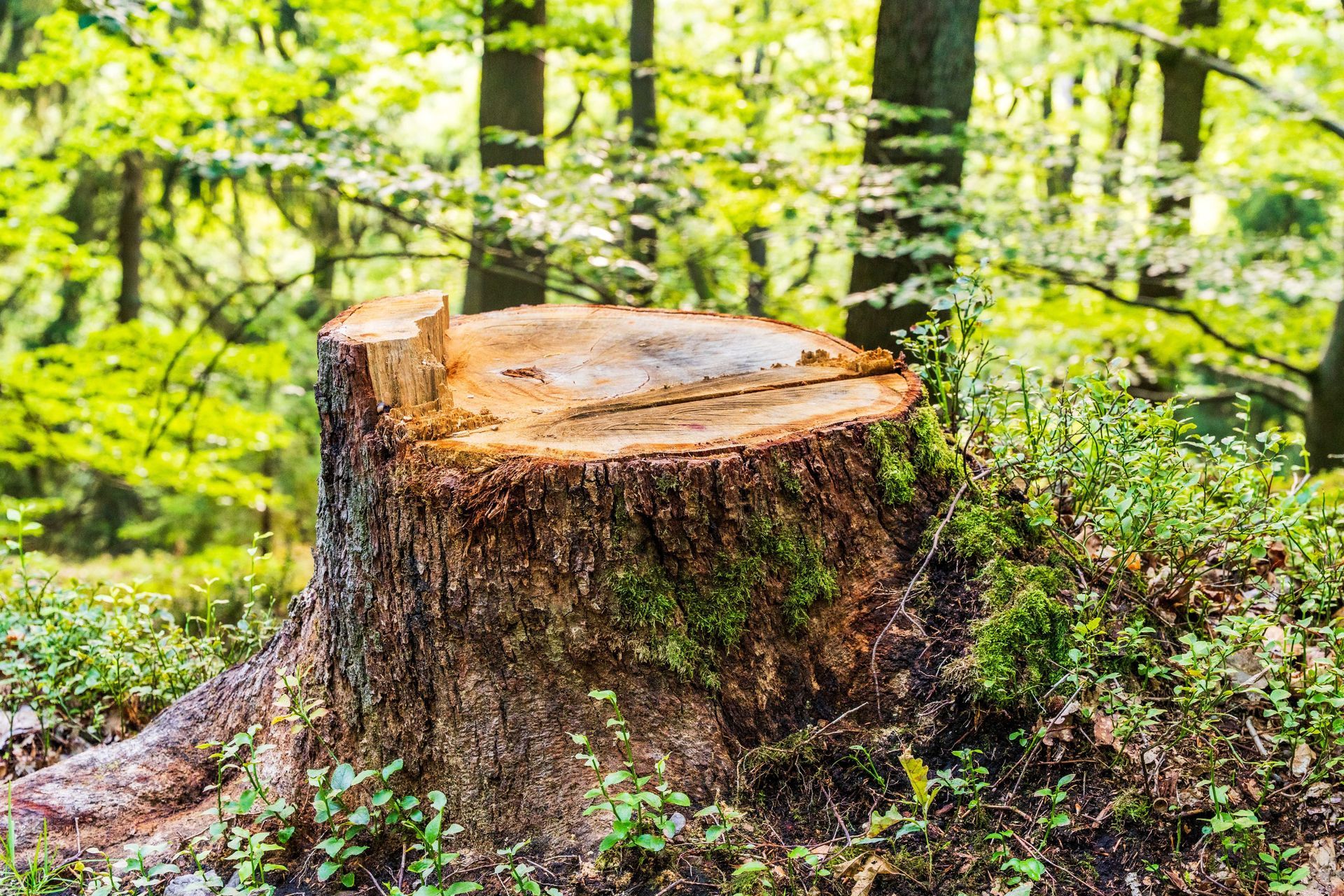
What Changes After Grinding Removes the Root Mass
Grinding eliminates the visible stump and reduces subsurface wood to chips, but it does not remove every root fragment from the soil. The cutting depth—typically six to twelve inches—extends below the point where grass roots establish and where most replanting occurs, preventing regrowth from the stump and removing the tripping hazard at grade level.
Once grinding is complete, the area where the stump stood is level with the surrounding yard, allowing you to seed grass, plant a replacement tree offset from the old root zone, or extend landscaping beds over the location. No more sucker shoots emerge from the stump, and the wood chips left behind decompose over one to two growing seasons, adding organic matter to the soil as they break down.
Stump grinding addresses the above-grade and shallow subsurface wood but does not remove deep lateral roots that may persist underground for years. Some settling may occur as chips decompose, requiring additional topsoil and regrading before final landscape installation if immediate planting or construction is planned over the area.
Common Questions About This Service
Property owners scheduling stump grinding often ask about process, timing, and what to expect after the work is finished.
How deep does the grinder go below the surface?
Most residential stump grinding reaches six to twelve inches below grade, which is sufficient to prevent regrowth and allow grass or shallow-rooted plants to establish without interference from remaining wood.
What happens to the wood chips left after grinding?
Chips can be spread as mulch in landscaping beds, left to decompose in place, or hauled from the site depending on your preference and whether additional material is needed for other areas of the property.
When should grinding happen after tree removal?
Grinding can occur immediately after removal or be scheduled separately—combining both services in one visit reduces mobilization costs and completes the project without leaving remnants in the yard.
Why do some stumps cost more to grind than others?
Grinding cost depends on stump diameter, wood hardness, root spread, and access constraints; a two-foot oak stump in open lawn space requires less time than a similar stump surrounded by landscaping or located on a slope.
Can you plant a new tree in the same spot after grinding?
Planting directly over a ground stump is possible but not ideal—offset the new tree a few feet to avoid decaying wood and residual root mass that compete for nutrients during establishment.
Bloom Tree Care LLC provides stump grinding services across West Milford, often bundled with tree removal for complete job closure. Schedule a property evaluation to review stump locations, access routes for grinding equipment, and material disposal options that fit your landscape plans.